Why people keep cash at home — and why those reasons are more complicated than they look
Ask someone why they keep cash at home and they'll usually say one of three things: emergencies, convenience, or habit. The honest answer is that it's usually all three, layered on top of each other in ways that most people haven't properly examined.
The emergency argument is the most defensible. Card systems do go down. ATMs run out. There was a prolonged IT outage at a major UK bank in 2023 that left hundreds of thousands of customers unable to access their accounts for days. For people who had no physical cash, that was genuinely difficult. Having some cash at home for exactly that scenario is entirely rational.
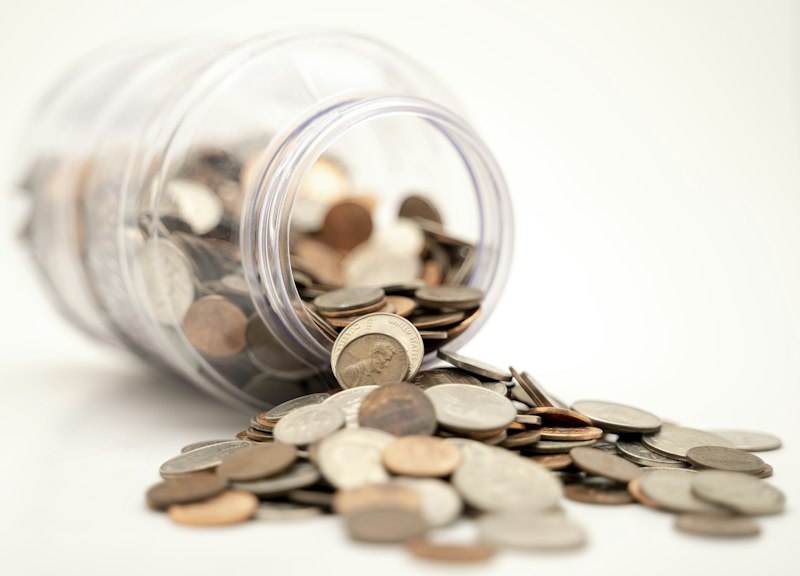
The convenience argument is shakier. Most of what cash is used for — small purchases, local shops, tipping — is increasingly covered by contactless. The "I might need it" justification for keeping £500 in a drawer tends to dissolve when you think about when you last actually used cash from home rather than withdrawing it fresh when you needed it.
"The amount most people keep at home has less to do with practical need than with the feeling that having cash available makes them feel more secure. That feeling is worth examining, not just accepting."
— Laura Simmons, SafeModernHubThe habit argument is the most honest. Plenty of people in their 50s and 60s grew up in households where a certain amount of cash was always around — in a tin, in a drawer, somewhere accessible. That habit persists. It's not irrational, exactly, but it's worth asking whether the amount reflects current circumstances or just inherited practice.
Worth knowing: Research from the Bank of England suggests UK households hold around £70 billion in physical cash at any given time. A meaningful proportion of that is sitting at home rather than circulating — earning nothing and, in many cases, insured for far less than its face value.
The actual constraints on keeping cash at home — legal, practical and financial
There is no legal maximum on how much cash you can keep at home in the UK. Police can question large amounts if they have reason to suspect criminal activity, but simply having cash is not an offence. The limits that matter are practical and financial, not legal.
The most important constraint is your home insurance policy's cash sub-limit. This is the maximum your insurer will pay out if your cash is stolen or destroyed. And it is almost always much lower than people assume.
| Policy type | Typical cash limit | What it means | Risk level |
|---|---|---|---|
| Budget comparison-site policy | £100–£200 | Almost anything beyond petty cash is uninsured | High risk |
| Standard home contents policy | £200–£500 | A month's rent in cash is partially or fully uninsured | Check yours |
| Premium or high-value policy | £500–£1,500 | Reasonable but still below what many households keep | Check yours |
| Policy with certified safe (Grade 0+) | Up to £6,000 | Properly installed safe changes the equation significantly | Better |
Finding your cash sub-limit takes five minutes. Log into your insurer's online portal, download your full policy schedule — not just the summary — and search for the word "money" or "cash". The figure you find is the most you would receive if your cash were stolen tonight.

The second constraint is inflation. Cash sitting at home loses purchasing power silently. With UK inflation running at meaningful levels in recent years, £1,000 kept in a drawer for two years has the spending power of roughly £940 or less by the time you use it. Easy-access savings accounts were offering above 4% in 2026 — money in a bank earns something; money in a drawer earns nothing and quietly shrinks.
The third constraint is theft risk. Cash is uniquely attractive to burglars because it cannot be traced, cancelled or recovered. A stolen laptop gets flagged. A stolen card gets cancelled. Cash disappears without a trail. Most residential burglaries in the UK last under ten minutes — burglars go straight for the obvious spots first, which are also the spots most people use.
The practical number most advisers land on for emergency cash at home: enough to cover 2–3 days of essential expenses. For most UK households that's somewhere between £100 and £300. Enough to buy food, fuel and pay for immediate necessities if cards don't work. Not enough to represent a meaningful theft target or a significant uninsured loss.
The habits that make cash at home actually work for you
If you're going to keep cash at home — and there are perfectly good reasons to keep some — the question is how to do it in a way that doesn't quietly expose you to losses you haven't thought about.
Know your insurance limit before you decide your amount. This is the step almost nobody takes. Read the cash sub-limit in your policy. That number is the ceiling on your sensible cash-at-home amount, unless you're willing to carry the uninsured risk explicitly. Most people don't know their limit. Once you know it, the decision becomes much clearer.

Keep a record of where the cash came from. A simple note — bank withdrawal on [date], payslip from [employer], sale proceeds from [item] — gives you a paper trail if cash is ever questioned. This matters more than most people realise, particularly for larger amounts.
If you want to keep more, do it properly. A certified home safe — EN 1143-1 Grade 0 or above — professionally installed (bolted to concrete or a structural wall) changes both your practical security and your insurance coverage. Most UK insurers will extend cash cover significantly for a properly installed certified safe. This involves cost and effort, but it's the legitimate route to keeping larger amounts safely.
"The worst approach is keeping an amount that feels meaningful — say £800 — without having checked whether your policy covers even half of it. That's not caution. That's a false sense of security."
— Laura Simmons, SafeModernHubLocation matters more than most people think. The bedroom drawer, the wardrobe top shelf, under the mattress — these are the locations professional burglars check first precisely because so many people use them. A certified safe is the only genuinely secure location. If you're not going to use a safe, at least avoid the top three predictable spots.
Review your cash-at-home amount annually. Your circumstances change. Your insurance policy changes. The rate you could be earning in a savings account changes. What was a sensible amount to keep two years ago might look different now. A five-minute review once a year — alongside your insurance renewal — is enough to stay on top of it.

Laura Simmons
Personal finance writer · Norwich. Writing about household finance and everyday money decisions for nine years. If something here is wrong or out of date — please tell me.